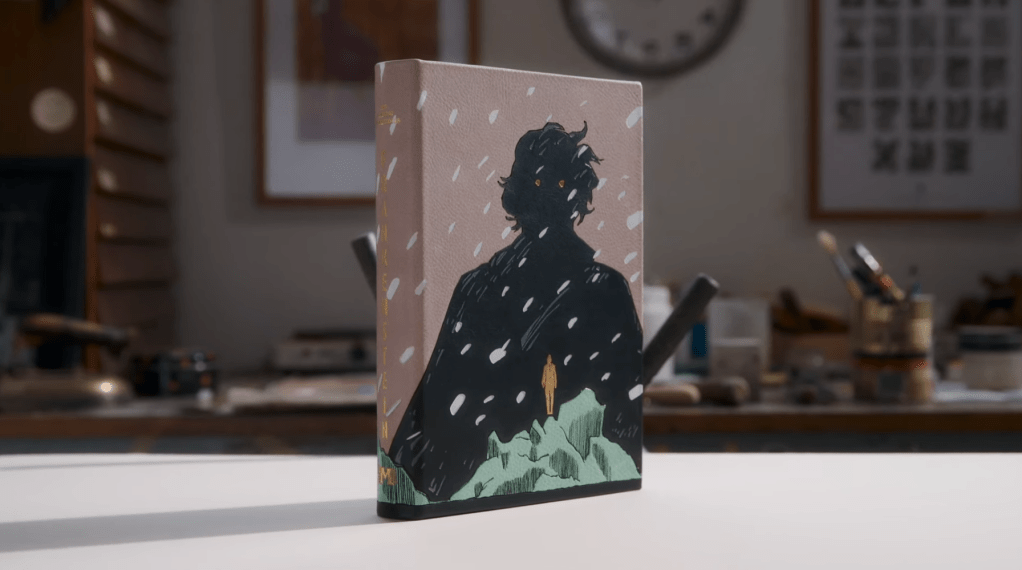
Since its first edition in 1818, Mary Shelley’s Frankenstein; or, The Modern Prometheus has been republished hundreds of times—including new fine press volumes from the Folio Society and MinaLima. But I’ve never seen anything quite as striking or luxurious as Morning Bell Edition‘s forthcoming illustrated edition.
Launching soon on Kickstarter, MBE’s Frankenstein will be hand-bound and letterpress-printed in Italy, while restoring the original 1818 text favored by scholars instead of the more common 1831 edition, which Shelley self-censored to better comply with Victorian-era morals.
Plus, MBE tells me “we have a surprise ready for our collector friends, which we will unveil during the Kickstarter campaign.”
Only 451 copies will be produced in three different editions. For the first 24 hours after launch, “Super Early Bird” discounts will be available from $299.
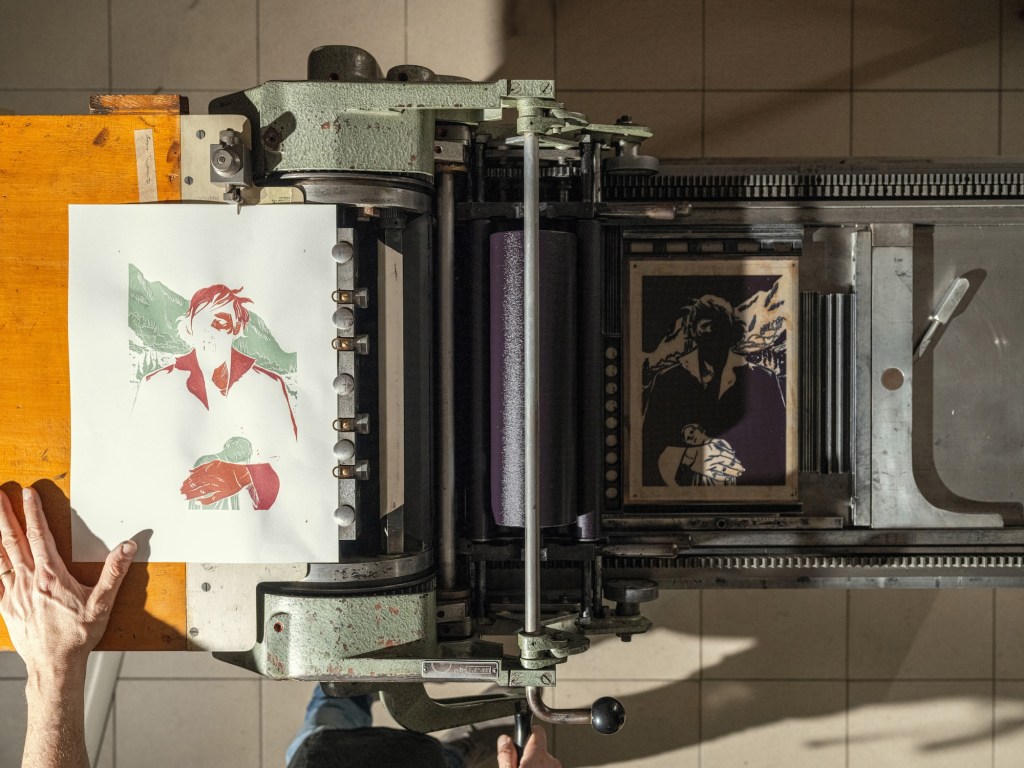
The illustrations will be printed on a Swiss FAG (Fournitures pour les Arts Graphiques) letterpress from the 1950s. The most stunning feature might be the handcrafted wooden display box with embossed gold foil accents and a breakaway opening at the top, which calls to mind the hand-stitched nature of the monster’s skin.
Morning Bell Edition is a passion project by four Italian artisans based in Modena: Davide Montorsi, Federico Montaguti, Antonio Zanfrognini, and Angela Mastellone. Their first book, Carlo Collodi’s Pinocchio, raised more than $180,000 on Kickstarter before shipping earlier this year. Prices for Pinocchio ranged from $25 for a digital copy to $8,200 for the most premium “unique” limited edition.
Over email, I spoke with the artisans at MBE about Frankenstein and what sets them apart from other fine presses in 2025.
Why did you pick Frankenstein for your second project?
When we founded Morning Bell, it was with the intention of publishing handcrafted novels that have, in one way or another, left a mark on literary history by creating literary archetypes.
Of course, other factors influence the selection of titles we intend to publish. For Pinocchio, it was about choosing a universally known novel that also represents Italian identity. With Frankenstein, it’s undoubtedly driven by our love for certain titles.
On the first evening we met and discussed the idea of establishing our publishing house to produce books just the way we like them, Mary Shelley’s Frankenstein was one of the first titles to come up. We were all in agreement, but even more so, we had already decided: “It must be the very first edition of 1818.”
In this particular case, the title connects with both the history of literature and our personal history. We love the idea of presenting the work in its original 1818 edition, which has been overlooked for too long, though it is now regaining favor in academic circles.

Did you learn anything from the production of Pinocchio that you’re applying to this book?
We learned two things from that experience. The first is that the physical production of books, due to the extreme care we put in (we jokingly describe ourselves as perfectionists to the point of being fussy), took much more time than we had estimated. When we say much more time, we assure you it’s substantial.
The second, and perhaps most important lesson, is that our passion should always guide us in crafting these volumes because, although the process is longer than expected, it remains utterly enjoyable. Moreover, we realized how joyous it is to feel the excitement from collectors when they hold our books. This joy is truly invaluable, especially in a world where it’s increasingly rare to see people sharing their feelings.
What makes Morning Bell Edition stand out from other fine presses?
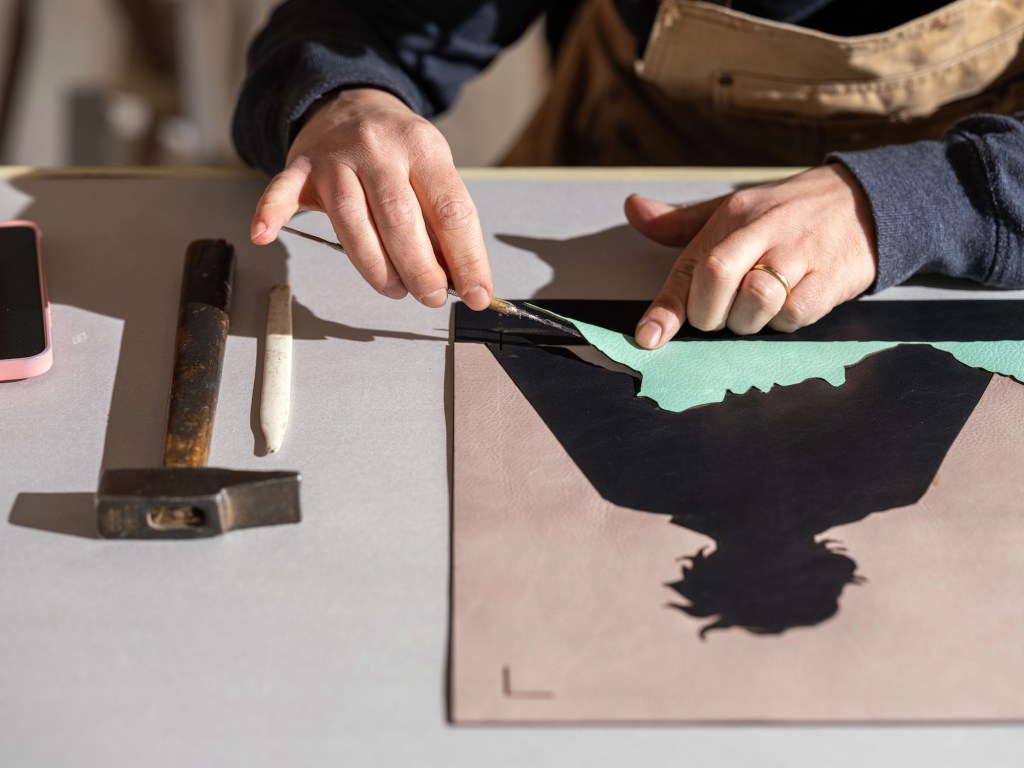
I would say that what distinguishes us most is that we do everything in a handcrafted manner using top-notch materials, thanks to the centuries-old expertise of “our” Bottega dei Gozzi, which has been making books since the 19th century, and through our personal stories.
Both in our work as bookbinders and restorers and as antiquarian booksellers, books from all eras, from the 15th century to today, pass through our hands. For this reason we enjoy blending the use of ancient artisan practices with modern design. We would love for someone in 100, 200, 300 years, and beyond, to hold our books and say that they reflect the era in which they were created, just as we are able to do with the books that have passed through the centuries to reach us.
Let me give you a practical example. The forthcoming Frankenstein will feature hand-drawn color plates using a mixed technique, partly typographic and partly with the method of serigraphy, in which Davide is a master (he has even presented courses at the renowned Brera Academy), harnessing his decade-long expertise in using the ancient natural colors derived solely from plant materials. I’m not sure how many other publishing houses can boast a master of natural colors crafting each colored plate by hand.
Of course, these processes require extensive time, but as we mentioned earlier, the joy we derive from following our passion is too great to sacrifice for faster methods.

 Alderbrink